Car will not start - what to check first
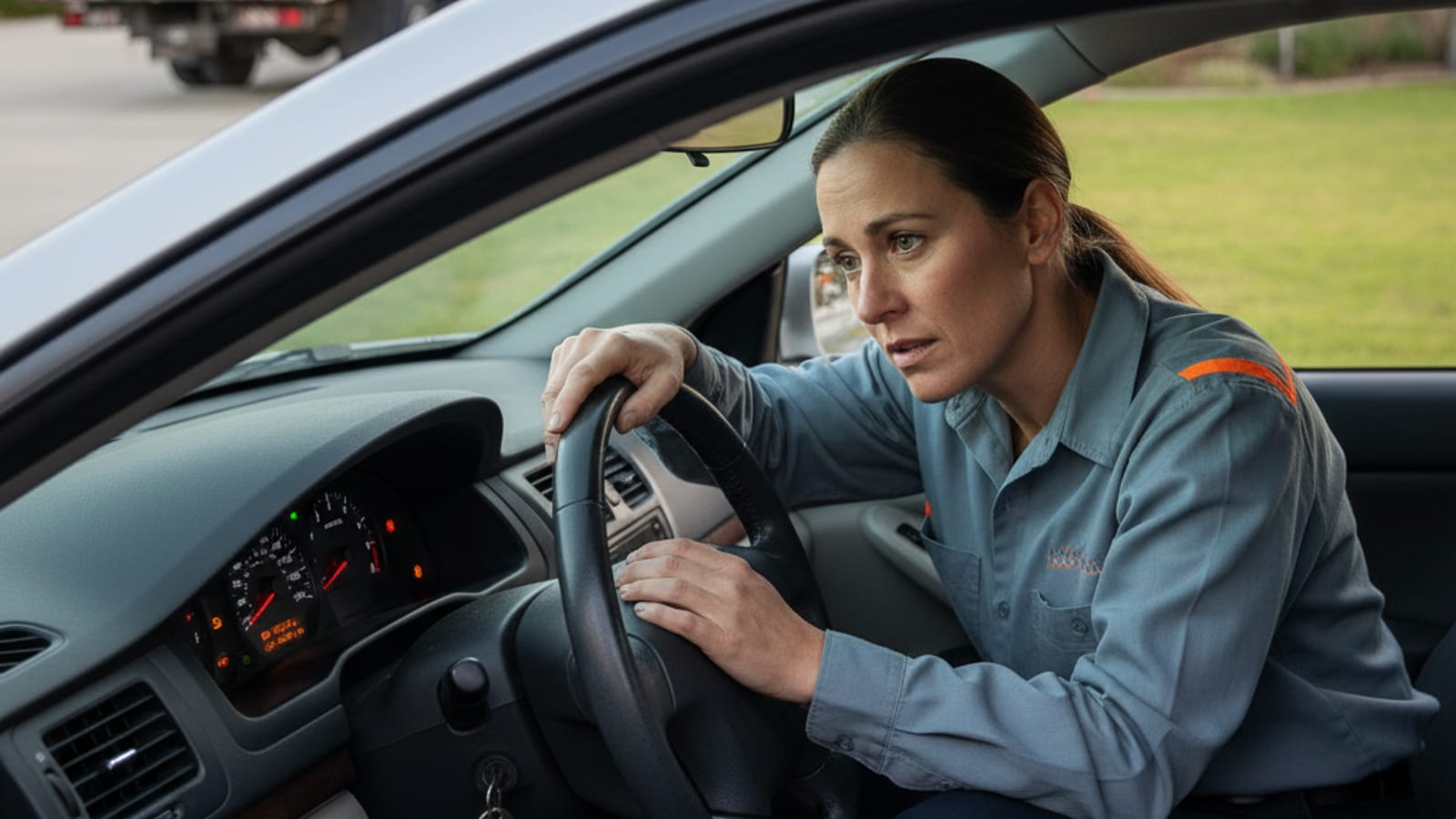
Note what the vehicle does when you try to start it. Clear observations help a roadside provider decide what to check; they do not establish a diagnosis.
What you'll learn
- Which symptoms to describe when calling
- How to check vehicle-specific starting instructions
- When to stop troubleshooting and ask for help
Step by step
- Check whether dashboard lights appear, whether the engine turns over and whether you hear clicking. Record warning messages.
- Follow the starting instructions in the owner’s manual, including the required transmission position and brake or clutch use.
- If the vehicle reports that the key is not detected, consult the manual’s backup-start procedure or try a working spare key.
- Do not bypass a shift interlock or other safety system to force a start.
- Before attempting a jump, check the vehicle-specific instructions and whether you can work safely.
- Tell the provider what you observed and what you already tried. Ask whether they can assess it roadside and whether towing may be needed.
Clicking, silence or dim lights alone do not prove that a specific part has failed. Confirm diagnostic capability and the price with the operator before agreeing to service.
Rather have a pro handle it?
Towing and roadside across Corpus Christi and the Coastal Bend. The line takes calls 24/7.
Keep learning.
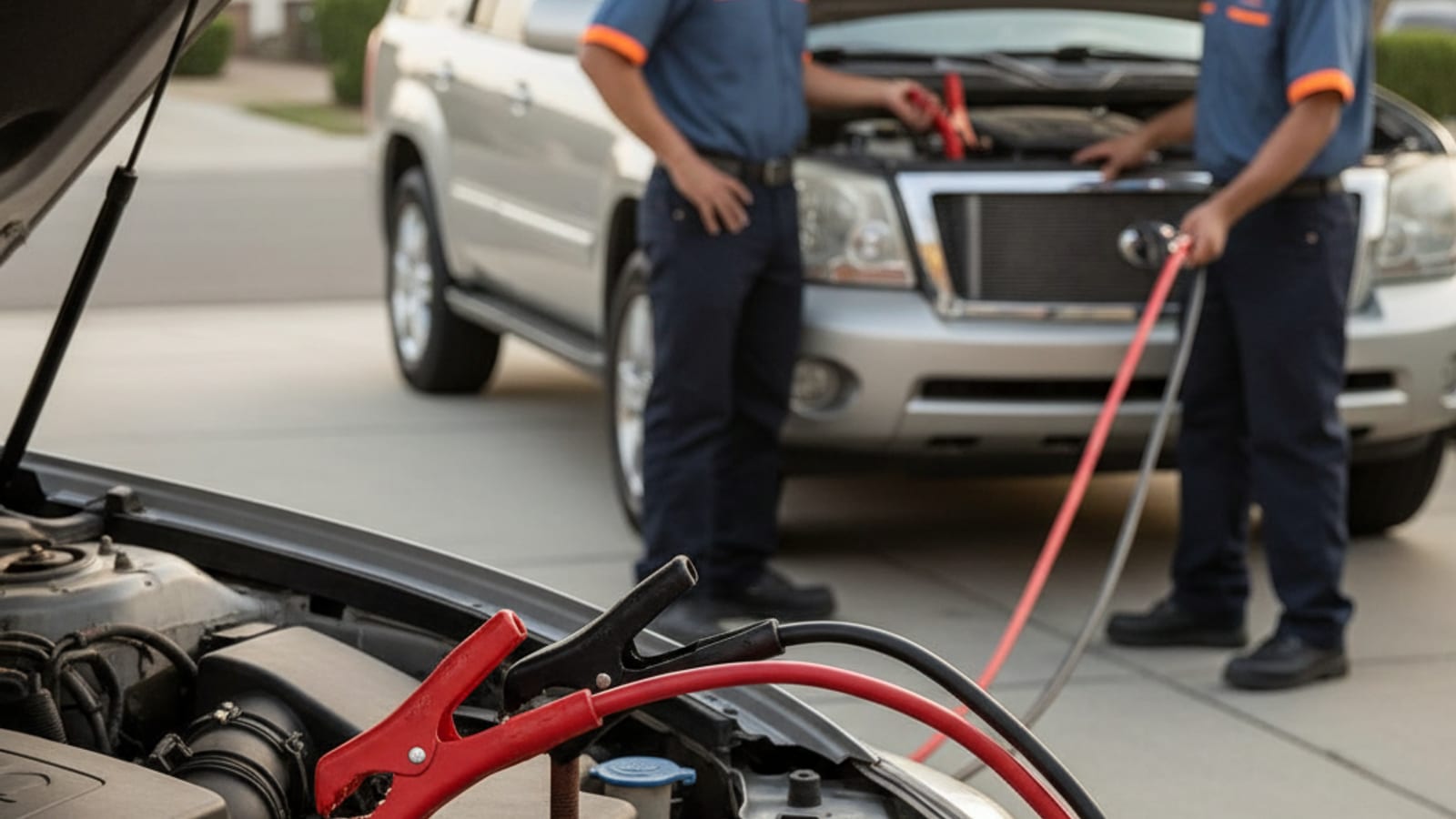
Jump-start a dead battery safely
Check the jump-start instructions for your exact vehicle and power source before connecting anything. Battery location, connection points and starting procedure can differ.
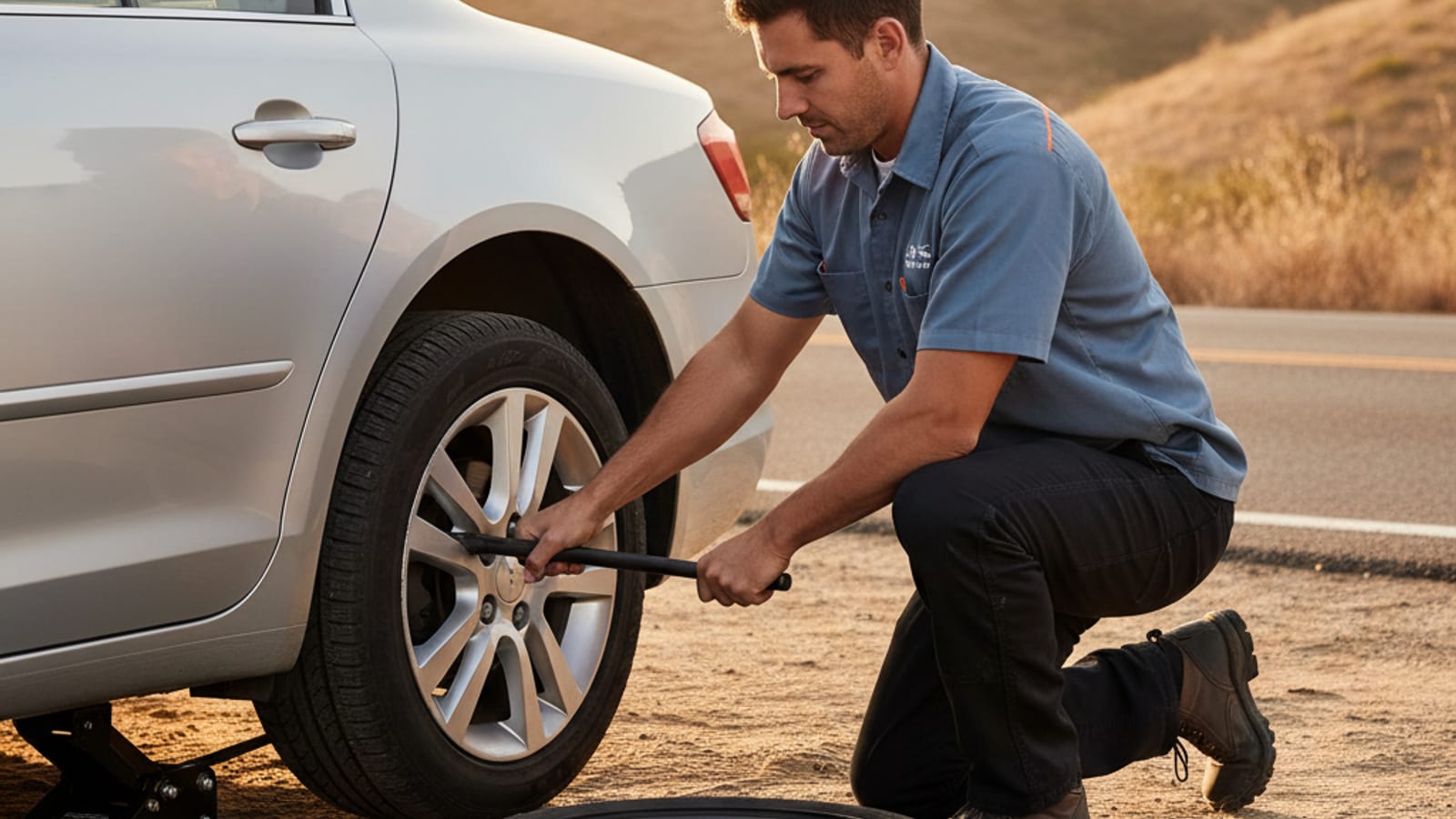
Change a flat tire on the side of the road
Only attempt a tire change where you can work safely, with a suitable spare, tools and the vehicle’s instructions. A narrow highway shoulder is a reason to request assistance.
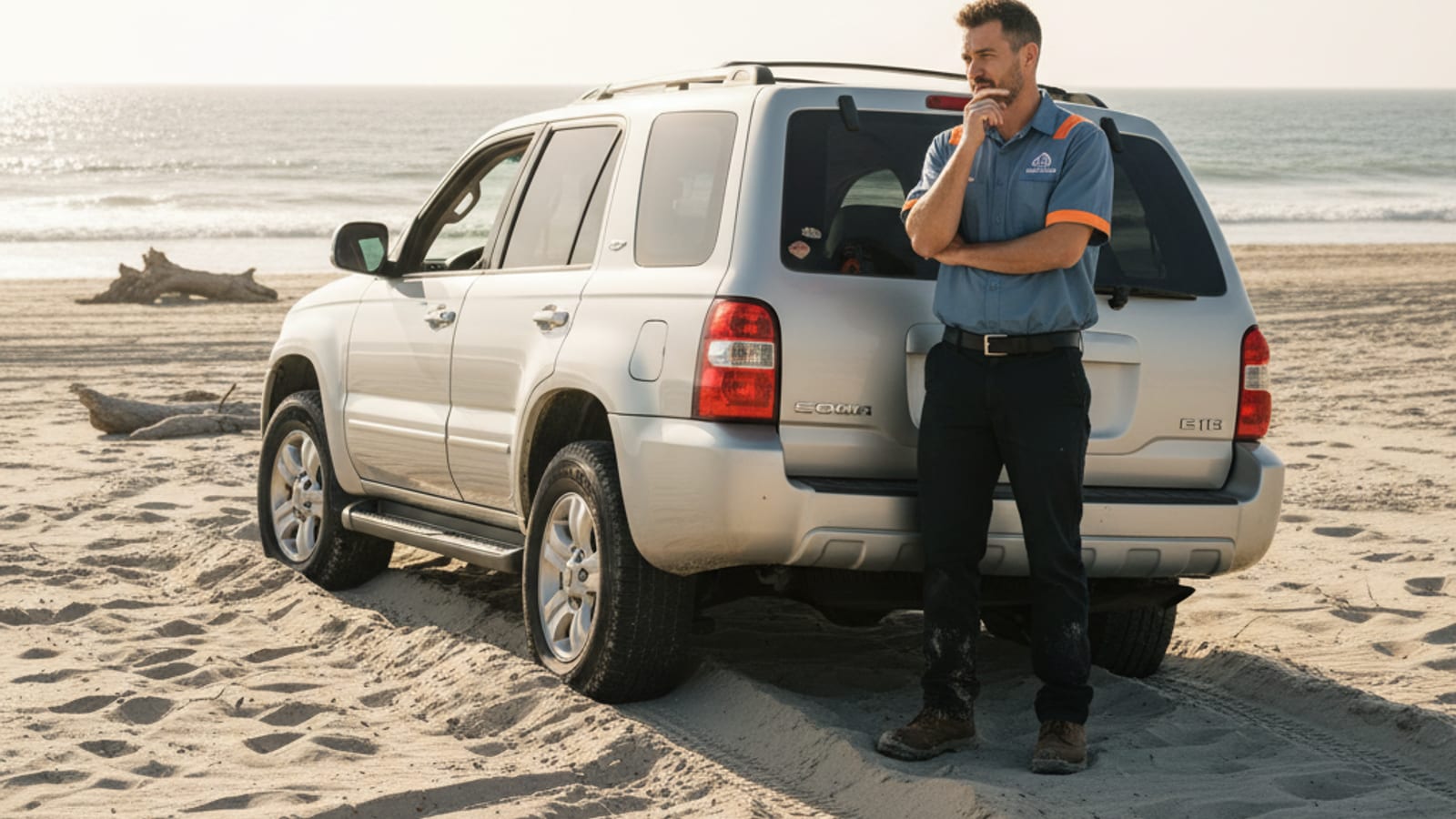
What to do when stuck in sand or mud
Stop trying to force the vehicle forward if the wheels are digging in. Before attempting a recovery, assess the tide, terrain, vehicle stability and everyone’s safety.