Can a tow truck refuse to take my car in Texas?
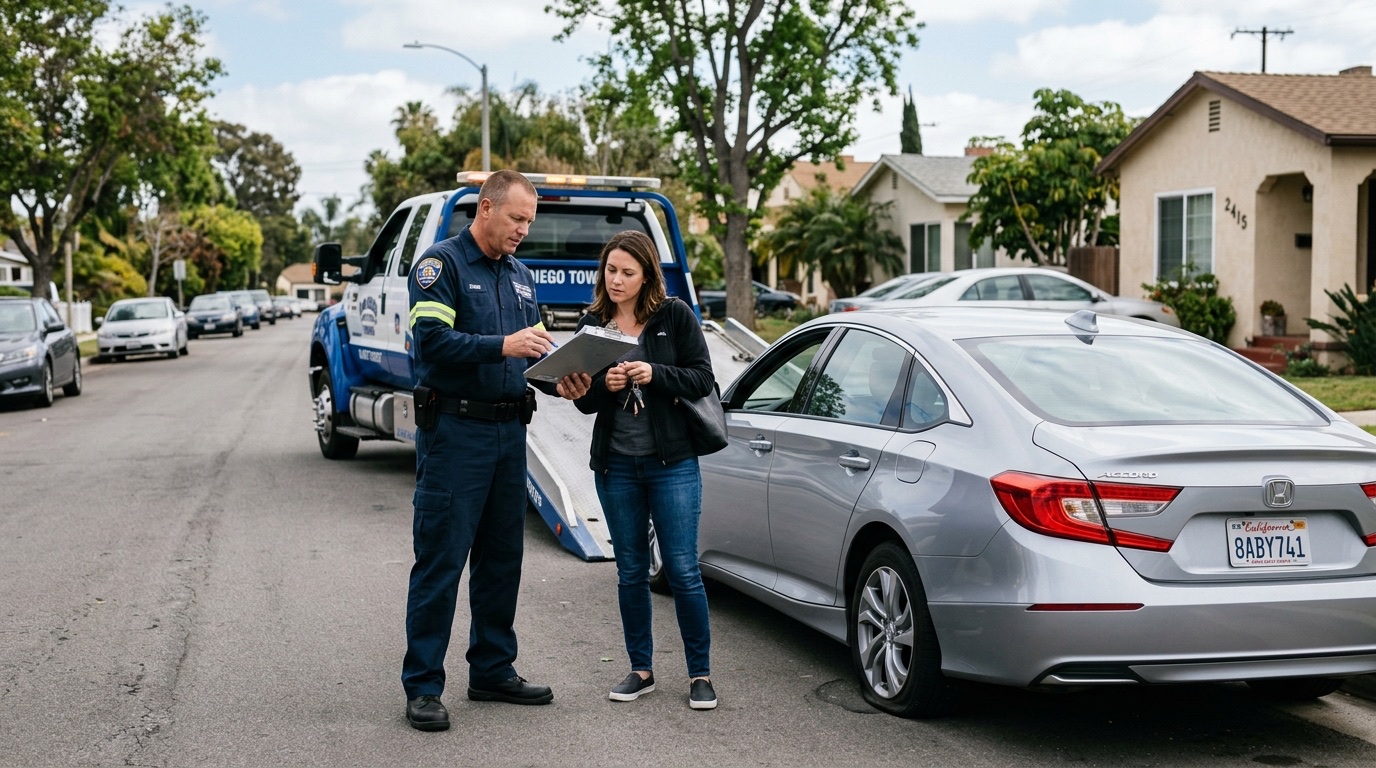
An independent operator may decline unsafe or unlawful work. Chapter 2308 and TDLR cover consent and nonconsent tows. Call 911 if the location is unsafe.
What you'll learn
- Why an operator may decline unsafe or unlawful work
- How consent tows differ from TDLR-regulated nonconsent tows
- Private-property drop-fee and hearing points TDLR publishes for consumers
- What to do next, including 911 when the location is unsafe
Step by step
- If traffic, weather or another hazard makes the stop unsafe, call 911 first and stay buckled in the vehicle unless you are directed otherwise.
- Tell the operator the vehicle type, location, damage and what you need moved. Ask whether they can do that job with the truck they would send.
- If they decline, ask them to state the reason. Then call another operator or, for a motor-club dispatch, call the club back.
- For a private-property hook already in progress, read TDLR's consumer page on drop fees and release. Rules differ once the vehicle has left the lot.
- For a nonconsent tow already completed, use TDLR's hearing and complaint instructions and confirm current deadlines.
- Quick Tow is a referral line at (361) 967-8088, not a fleet that must accept every job.
This page is not legal advice and is not a complete list of Texas towing duties. TDLR's own consumer summary says it is not a complete description of your rights or of license-holder requirements. Check current TDLR rules and Occupations Code Chapter 2308.
The short answer
Yes. An operator may refuse a job they cannot perform safely or lawfully: the wrong truck for the weight or drivetrain, a leak or fire risk, a scene they cannot enter, or a request they are not licensed to handle. That is not the same as a rule that an operator may refuse only for five listed reasons, and it is not a rule that every police, motor-club or property-contract call must be accepted.
Quick Tow connects callers with independent operators. It does not publish a refusal history, and it does not own the truck that arrives.
Consent versus nonconsent
A consent tow is one you request, such as a breakdown you call in. Price and method are between you and the operator, quoted before work. TDLR's statewide maximum private-property tow charges do not cap a tow you asked for.
Nonconsent towing and booting (private property, and many police-ordered removals) are regulated under Texas Occupations Code Chapter 2308 and TDLR. Companies, individual operators and trucks are licensed or permitted as separate credentials. Read current text at TDLR Towing and TDLR Consumer Information.
What TDLR tells consumers about a private-property hook in progress
TDLR's consumer information page states that if you return while the car is being hooked up but it is not fully hooked and ready for towing, you can keep the car without paying a charge, and you do not need to prove ownership in that instance. If it is fully hooked up, ready for towing, but has not left the parking lot, you may keep the car but must pay a drop fee. After the car has left the lot, those on-scene release rules no longer apply in the same way; you locate the vehicle from the posted sign and recover it from the vehicle storage facility under TDLR's storage rules.
TDLR publishes statewide maximum drop fees on that page and notes that a city or county may set a lower amount, never a higher one, and that a driver must accept cash, credit and debit for the drop charge. Amounts change. Verify the figures on the current TDLR page before relying on a dollar number.
Hearings, complaints and invoices (nonconsent)
TDLR's consumer summary says you may request a tow hearing at a justice of the peace court in the county where the car was towed if you believe it was wrongfully towed, stored or booted, or if you were charged more than the allowed fee, and that you must request the hearing within 14 days of the tow. Occupations Code §2308.452 and TDLR's longer hearing instructions also describe a 14-day filing window that excludes Saturdays, Sundays and national holidays after the vehicle was placed in storage or booted. Use the current statute and the notice the company or VSF is required to give you. Do not treat this page as the deadline calculator.
For a nonconsent tow, TDLR says a towing company must prepare a tow ticket, give a copy to the owner if present and available, and that the ticket must contain the licensed name of the towing company, a publicly listed telephone number, the towing company certificate of registration number, and the TDLR license number of the towing operator. Filing a complaint with TDLR at tdlr.texas.gov/Complaints is not a substitute for a tow hearing; TDLR says you may do both.
TDLR also states you may have access at the VSF to get ownership documents and personal property without paying a fee for that access. Paying towing and storage remains required to retrieve the car itself.
Police, motor clubs and property contracts
Peace officers can order a vehicle removed in situations set out in Texas law. That authorizes a nonconsent tow. It does not, on this page, become a statement that every licensed operator in Corpus Christi must take that job. Rotation lists and city contracts are separate. Ask the officer or the pound where the vehicle will go.
A motor club or insurer dispatch is a contract between that club and the operator they sent. If that operator cannot take the vehicle, call the club. Do not assume Texas law forces them to hook your car anyway.
Property-management towing is nonconsent work under Chapter 2308 when the owner did not request it. Signage, notices and fees are TDLR topics. An operator may still decline a scene they cannot complete lawfully.
If you are stranded
- Call 911 when the location is unsafe, including freeway shoulders on SPID, I-37 or US-181, and stay in the vehicle with belts on unless directed otherwise.
- Call another operator, or (361) 967-8088 to ask Quick Tow to try another independent match.
- If a motor club dispatched the first truck, call the club with the decline reason.
- For a completed nonconsent tow, use TDLR hearing and complaint paths and the city impound page only when Corpus Christi police ordered the tow. Private-property tows go to the towing company's storage, not the city lot.
TDLR customer service numbers printed on the consumer page include (800) 803-9202 (in state) and (512) 463-6599. The city vehicle impound lot, when it is a police impound, is listed by the city at 5485 Greenwood Dr, (361) 857-1996.
Rather have a pro handle it?
Towing and roadside across Corpus Christi and the Coastal Bend. The line takes calls 24/7.
Keep learning.
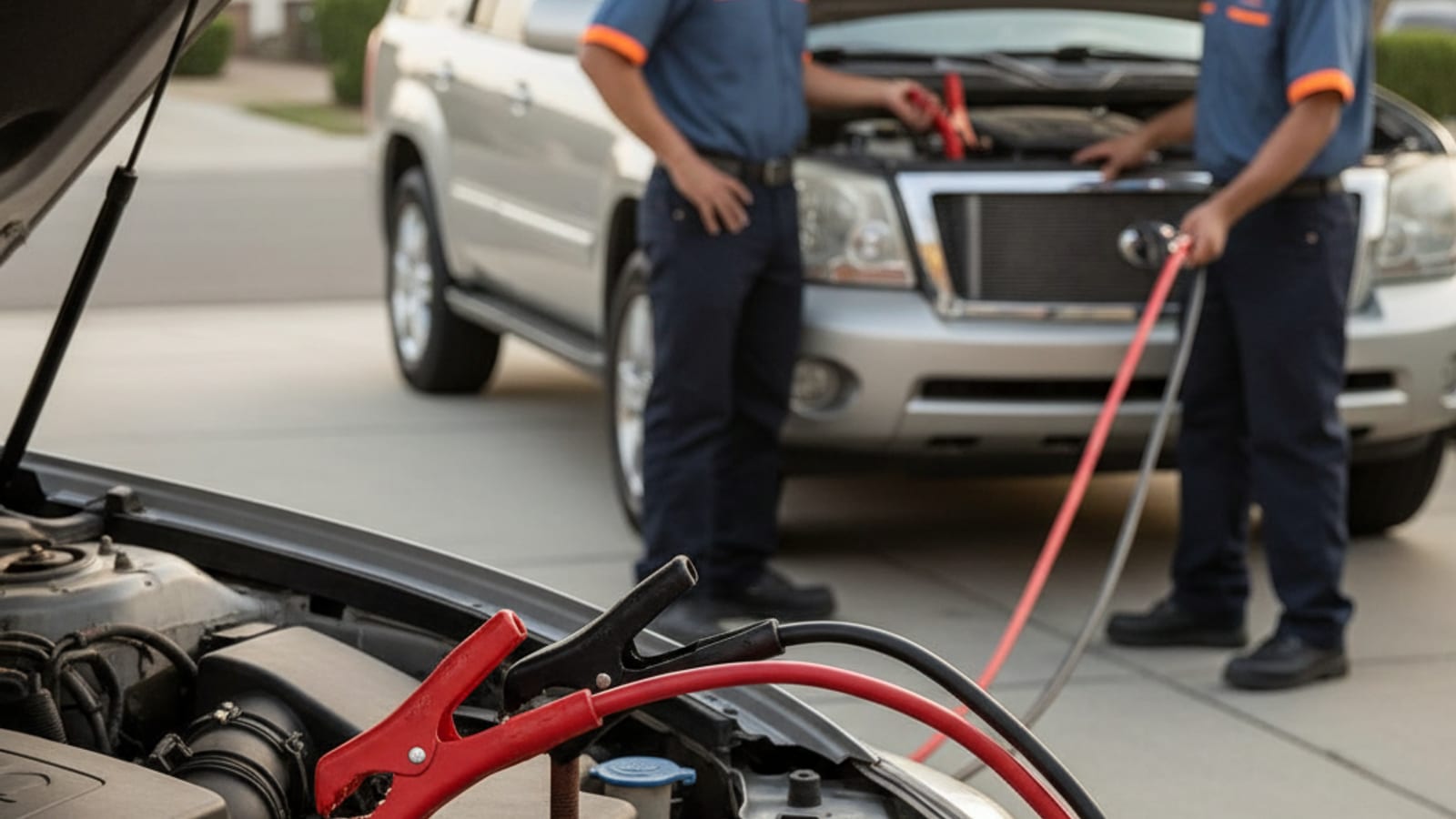
Jump-start a dead battery safely
Check the jump-start instructions for your exact vehicle and power source before connecting anything. Battery location, connection points and starting procedure can differ.
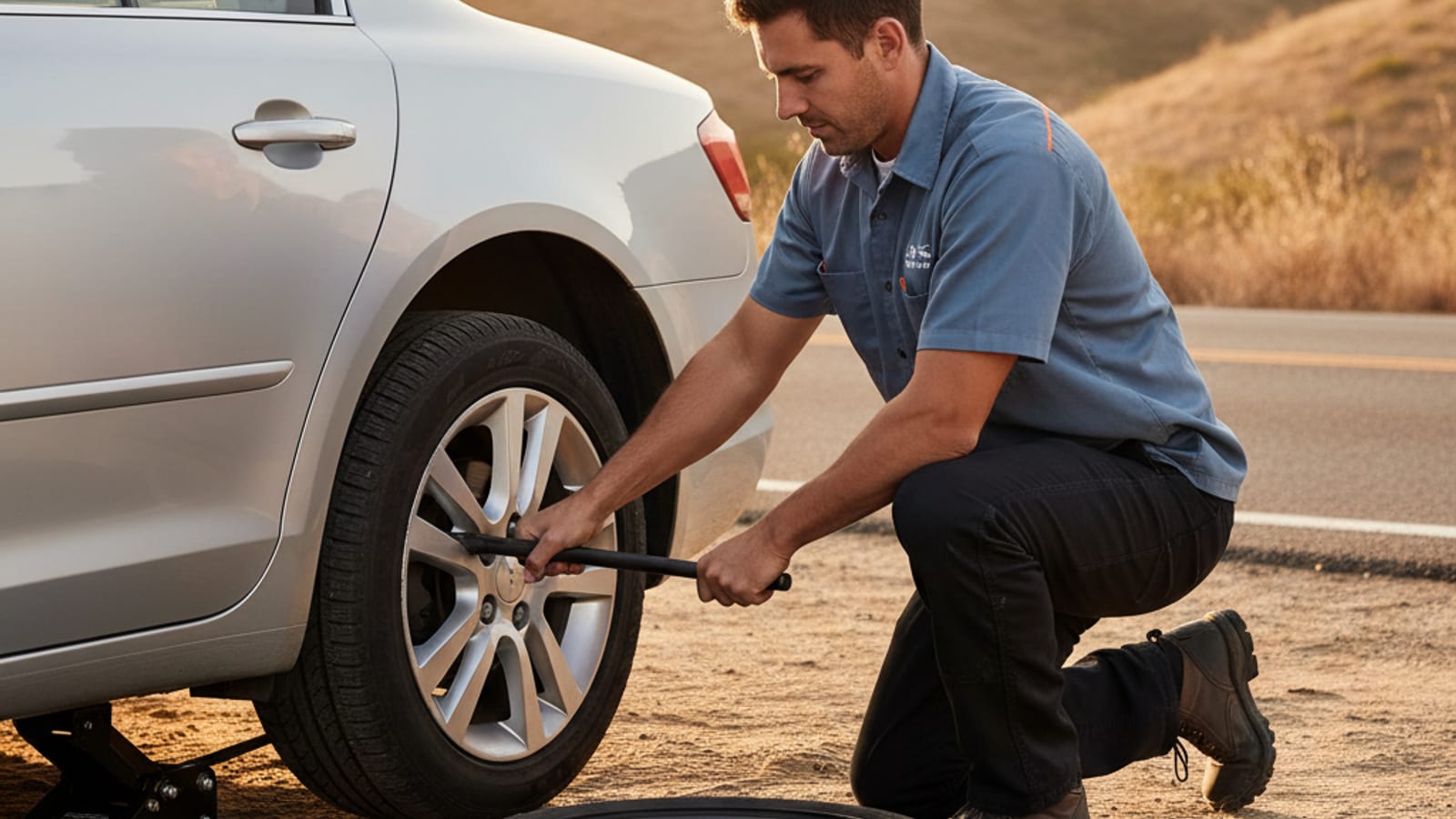
Change a flat tire on the side of the road
Only attempt a tire change where you can work safely, with a suitable spare, tools and the vehicle’s instructions. A narrow highway shoulder is a reason to request assistance.
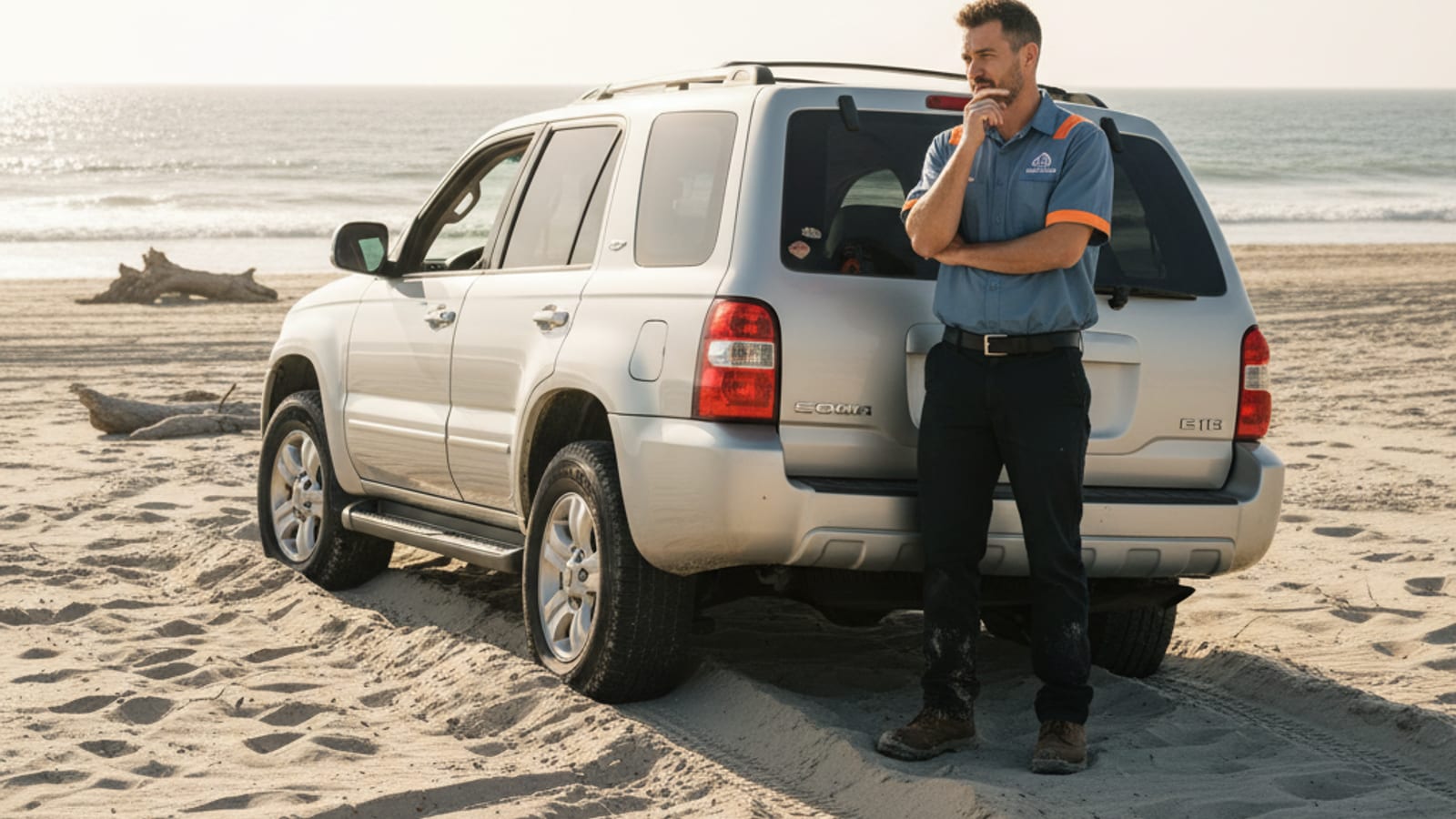
What to do when stuck in sand or mud
Stop trying to force the vehicle forward if the wheels are digging in. Before attempting a recovery, assess the tide, terrain, vehicle stability and everyone’s safety.